
![[GroupBuy] The Psychology of UI Design - Growth Design](https://courseswiki.com/wp-content/uploads/2026/03/psychology-of-ui-design-growth-design.jpg)
[GroupBuy] The Psychology of UI Design – Growth Design
Original price was: $800.00.$30.00Current price is: $30.00.
Discount 20% if your total cart over $150
- Satisfaction Guaranteed
- Fast and forever download link
- Secure Payments
- Reupload FREE
Description
Are you a UX designer looking to transcend intuitive design and adopt a psychology-first approach? The ux designer course by Growth Design offers a revolutionary framework that equips professionals with the skills to create emotionally resonant and user-centric interfaces. Unlike traditional courses that focus solely on aesthetics or software tools, this program delves into the cognitive and behavioral principles that drive effective UI design, making it an indispensable resource for modern designers.
UX Designer Course
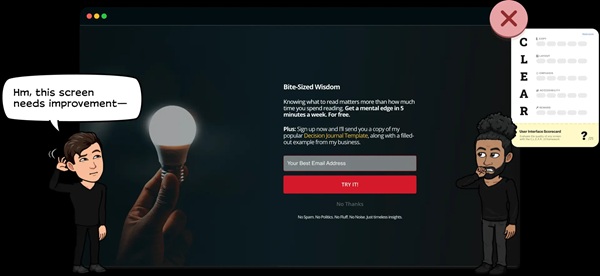
The ux designer course by Growth Design is not just another online learning experience—it’s a paradigm shift in how we approach interface design. While most training programs emphasize visual appeal or tool proficiency, this course stands out by grounding every design decision in psychological principles. By leveraging the C. L. E. A. R. Framework™, designers learn to evaluate and refine digital screens through a structured lens, ensuring that every element serves a purpose rooted in user cognition.
The Psychology-First Approach in UX Design Training
Traditional ux design training often prioritizes color theory, typography, or software tutorials, but what if the true magic of great UI lies in understanding human behavior? The C. L. E. A. R. Framework™ shifts the focus from aesthetics to psychology, teaching designers how to align microcopy with user mental models and avoid common pitfalls that lead to confusion. For example, instead of debating font sizes, students learn how cognitive load influences user decision-making—a subtle but transformative perspective.
This approach isn’t just theoretical. The course provides actionable insights through a “Before-Analysis-After” format, demonstrating how small tweaks based on psychology can dramatically improve user engagement. Whether analyzing dashboards, mobile apps, or landing pages, participants learn to diagnose issues systematically rather than relying on intuition. This methodology is particularly valuable in today’s AI-driven design landscape, where designers must critically assess both human and machine-generated interfaces.
Real-World Applications and Immediate Impact
One of the standout features of this ux designer course is its emphasis on practical application. Students gain access to tools like the C. L. E. A. R. Scorecard™ (Figma), which allows them to audit and improve real-world interfaces in minutes. Imagine being able to spot usability flaws in a crowded dashboard or optimize a mobile app flow with confidence—this course makes it possible. Graduates report feeling empowered to justify their design decisions with data-backed reasoning, a skill that’s increasingly crucial in collaborative environments.
Moreover, the curriculum fosters a shared vocabulary among teams, bridging gaps between designers, developers, and stakeholders. As Kevin Brotz, a Senior UX Designer at Milwaukee Tool, noted, the course introduced him to new lenses for evaluating his work, sparking deeper conversations about design processes. This alignment ensures that everyone involved in product development speaks the same language, reducing friction and accelerating iterative improvements.
UI In Design
Ui in design is more than just arranging buttons and selecting colors—it’s about crafting experiences that resonate on a psychological level. The C. L. E. A. R. Framework™ breaks down this complexity into five core pillars: Copywriting, Layout, Emphasis, Accessibility, and Reward. Each pillar addresses a critical aspect of user interaction, ensuring that designers don’t overlook essential elements in their pursuit of visual harmony.
The Foundation: Copywriting as the Bedrock of UI
Many designers treat copy as an afterthought, but the C. L. E. A. R. Framework™ elevates it to the forefront. Effective ui in design begins with precise, user-aligned microcopy that guides actions and minimizes cognitive friction. For instance, a button labeled “Get Started Now” might seem straightforward, but without psychological context, it could fail to convert. The course teaches how to craft language that mirrors user expectations, preventing missteps that derail the user journey.
This module isn’t just about writing—it’s about understanding the psychology behind every word. How does phrasing influence perception? Why do some call-to-actions perform better than others? By answering these questions, designers move beyond guesswork, creating interfaces where every piece of text serves a strategic purpose. This shift from passive to intentional copywriting is what separates good designs from exceptional ones.
Strategic Layout: Guiding the User’s Journey
A well-structured layout isn’t just about grid systems; it’s about directing user attention and facilitating seamless navigation. In ui in design, the C. L. E. A. R. Framework™ emphasizes strategic element placement based on eye-tracking patterns and task efficiency. For example, placing primary actions within the first fold of a screen isn’t arbitrary—it’s a deliberate decision rooted in how users scan content.
This pillar also addresses common pitfalls, such as overwhelming users with too many options or burying critical information. By applying the Scorecard™, designers learn to streamline layouts for maximum clarity, ensuring that users never feel lost or frustrated. The result? Interfaces that feel intuitive because they’re designed around how people naturally behave, not how designers assume they should.
UX Design Training
Ux design training has evolved beyond theoretical lectures and rote memorization. Modern professionals demand actionable, psychology-driven strategies—and the C. L. E. A. R. Framework™ delivers. Unlike traditional courses that might dwell on historical design movements or abstract theories, this program focuses on immediate applicability, equipping designers with tools like the C. L. E. A. R. Checklist and Figma-based scorecards.
The Science Behind User-Centric Design
At its core, ux design training should prepare learners to solve real problems, not just follow trends. The C. L. E. A. R. Framework™ achieves this by anchoring every lesson in cognitive science. For example, the emphasis module doesn’t just explain visual hierarchy—it explores how contrast, movement, and Gestalt principles influence user perception. This depth of understanding enables designers to create interfaces that don’t just look good but feel right to users.
The course also tackles accessibility from a holistic standpoint, moving beyond compliance to genuinely inclusive design. It’s not enough to meet WCAG guidelines; designers must consider diverse user needs at every stage. This inclusive mindset ensures that products aren’t just functional but welcoming to all, regardless of ability or background.
Certification and Professional Growth
Completing the ux design training culminates in a certification exam, a 25-question assessment designed to solidify understanding. But this isn’t a mere formality—it’s a rigorous test of one’s ability to apply the C. L. E. A. R. principles in various scenarios, from e-commerce checkouts to complex SaaS dashboards. Graduates emerge with a recognized credential that signals their mastery of psychology-first design, a valuable asset in today’s competitive job market.
Figma Courses
While many figma courses teach users how to navigate the tool’s interface, the C. L. E. A. R. Framework™ leverages Figma as a platform for psychological evaluation. The included C. L. E. A. R. Scorecard™ (Figma) transforms the software into a diagnostic tool, enabling designers to dissect and refine screens with unprecedented precision. This shift from creation to analysis sets this ux designer course apart from typical Figma tutorials.
From Pixels to Insights: Figma as a Diagnostic Tool
Most figma courses focus on prototyping techniques or plugin integrations, but the C. L. E. A. R. Framework™ uses Figma to uncover hidden usability flaws. For instance, the Scorecard™ allows designers to overlay screens with psychological benchmarks, identifying issues like insufficient contrast or misleading visual hierarchies. This approach turns Figma into a laboratory for user-centered design, where every decision is validated against empirical principles.
The course also demonstrates how to adapt the Scorecard™ for different project types, whether auditing a mobile app’s onboarding flow or evaluating an enterprise dashboard’s usability. This versatility makes it an invaluable resource for teams working across industries, from healthcare to fintech.
Collaboration and Scalability
In collaborative environments, figma courses often emphasize team workflows, but the C. L. E. A. R. Framework™ takes it further by fostering a shared psychological language. Teams using the Scorecard™ can communicate design rationales clearly, reducing subjective debates and aligning on objective criteria. This consistency is especially critical when scaling design systems or integrating AI-generated components, where human oversight is essential.
Growth Design
Growth design represents a shift from static aesthetics to dynamic, performance-driven interfaces. The C. L. E. A. R. Framework™ embodies this philosophy by equipping designers with tools to optimize every interaction for engagement and retention. Unlike traditional design methodologies that may prioritize short-term visual appeal, growth design focuses on long-term user satisfaction and business outcomes.
Measuring Success Beyond Aesthetics
In growth design, metrics like conversion rates and session durations are as important as pixel-perfect layouts. The C. L. E. A. R. Framework™ bridges this gap by teaching designers how to translate psychological insights into measurable improvements. For example, applying reward-oriented design principles—such as progress indicators or gamification—can significantly boost user retention without compromising usability.
This data-driven approach extends to reviewing AI-generated designs. As algorithms become more sophisticated, designers must develop a keen eye for subtle psychological misalignments. The framework provides a systematic way to assess these outputs, ensuring they adhere to human-centered principles even when created by machines.
Cultivating a Growth Mindset
Adopting growth design requires more than new tools—it demands a cultural shift within organizations. The C. L. E. A. R. Framework™ encourages designers to view their work as iterative experiments rather than final deliverables. By embedding psychological testing into the design process, teams can continuously refine interfaces based on real user feedback, ultimately driving sustainable growth.
Interface Design Course
An interface design course should offer more than surface-level techniques—it should transform how designers think about user interactions. The C. L. E. A. R. Framework™ does precisely that by integrating psychology into every aspect of the design process. From crafting microcopy to structuring layouts, this interface design course ensures that every element aligns with user expectations and behaviors.
The Role of Emotional Design
Great interfaces evoke emotion, and the C. L. E. A. R. Framework™ makes emotional design accessible to all. The “Reward” pillar, for instance, explores how subtle reinforcements—like animations or positive feedback loops—increase user satisfaction and brand loyalty. This nuanced understanding helps designers create experiences that resonate beyond functionality.
The course also delves into the nuances of accessibility, treating it not as a checkbox but as a core design principle. By prioritizing inclusivity from the outset, designers ensure their work reaches a broader audience while maintaining aesthetic integrity.
Case Studies and Practical Wisdom
The interface design course stands out for its wealth of real-world examples, demonstrating how to apply the framework across industries. Whether optimizing a healthcare app’s onboarding or refining a gaming UI, students see firsthand how psychological principles translate into tangible results. This hands-on approach demystifies complex concepts, making them accessible even to seasoned professionals.
UX UI Design Course
A comprehensive ux ui design course must bridge the gap between theory and practice, offering tools and frameworks that designers can immediately apply. The C. L. E. A. R. Framework™ excels in this regard, providing a structured yet flexible methodology for evaluating and enhancing digital interfaces. Whether you’re a novice or an expert, this program equips you with the skills to design psychologically optimized UX/UI solutions.
The Synergy Between UX and UI
While many ux ui design courses treat UX and UI as separate disciplines, the C. L. E. A. R. Framework™ integrates them seamlessly. The “Copywriting” and “Layout” modules, for example, demonstrate how user research informs interface decisions, ensuring that visual elements serve functional goals. This holistic approach fosters designs that are both aesthetically pleasing and inherently usable.
The course also addresses the challenges of working with AI, teaching designers how to maintain control over automated outputs. As generative tools become more prevalent, the ability to differentiate between mechanical compliance and meaningful design becomes a critical skill.
Empowering Teams with Shared Frameworks
One of the most powerful aspects of this ux ui design course is its ability to unite teams under a common design philosophy. By adopting the C. L. E. A. R. Scorecard™, developers, product managers, and designers can collaborate more effectively, reducing miscommunication and speeding up iteration cycles. This alignment is essential in fast-paced environments where clarity and coherence are paramount.
Conclusion
The ux designer course by Growth Design redefines what it means to master interface design, shifting the focus from visual aesthetics to psychological effectiveness. By integrating the C. L. E. A. R. Framework™ into their workflows, designers gain a systematic, data-driven methodology for creating UIs that truly resonate with users. Whether you’re refining microcopy, optimizing layouts, or assessing AI-generated designs, this program empowers you to make informed, impactful decisions that drive engagement and satisfaction. In an era where digital experiences dominate, this course equips professionals with the tools to design with intent, precision, and empathy—ultimately transforming how we interact with technology.
Sales Page:_https://growth.design/courses/clear-ui
Delivery time: 12 -24hrs after paid