
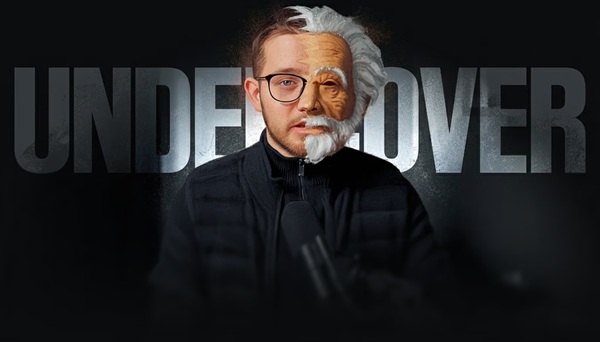
[GroupBuy] Undercover Library – Nandi Muzsik
$30.00
Discount 20% if your total cart over $150
- Satisfaction Guaranteed
- Fast and forever download link
- Secure Payments
- Reupload FREE
Description
Within the annals of digital entrepreneurship, a powerful resource exists, often overlooked by the casual observer—the Undercover Library. This strategic repository of knowledge, meticulously curated and practically applied, serves as the bedrock for aspiring designers aiming to not only establish a formidable online presence but also to scale their creative ventures into thriving businesses through the Framer platform.
Undercover Library
The Undercover Library is not a physical place, but rather a conceptual framework, a comprehensive methodology encapsulated within “The Framer Blueprint.” It’s a treasure trove of actionable insights and proven tactics designed to guide individuals from nascent identity to robust acquisition in the digital design landscape. The core philosophy underpinning this library is a transition from an individual’s personal brand to a scalable, revenue-generating enterprise. This journey is meticulously charted through distinct phases: personal branding, portfolio development, productization through templates, and sophisticated client management. The blueprint, in essence, is a masterclass in practical execution, deliberately eschewing theoretical fluff in favor of real-world application. It offers a repeatable path to revenue generation, illuminated by tangible examples such as sales call recordings, template launch hacks, and documented client workflows.
This pragmatic approach distinguishes the Undercover Library from conventional educational resources, transforming abstract concepts into deliverable, measurable outcomes. The emphasis is squarely on tangible results, making it an invaluable asset for anyone serious about building a sustainable design business on Framer. It demystifies the often-complex world of freelancing and product sales, providing a clear roadmap for success. The value lies not just in what it teaches, but how it teaches it – through direct observation and practical application.
Personal Branding and Identity Construction
At the heart of the Undercover Library’s initial phase lies the imperative to forge an “expert energy identity.” This isn’t merely about creating a visually appealing profile; it’s about strategically crafting an online persona that commands attention and immediately differentiates one from the sea of novices. The blueprint delves into the systematic optimization of every public-facing element: names, bios, avatars, banners, and even pinned posts. Each component is meticulously designed to project authority and competence, ensuring that anyone encountering the profile instantly perceives a seasoned professional rather than an amateur. This meticulous attention to detail forms the bedrock of trust and credibility, crucial for attracting high-value clients. The goal is to cultivate an aura of expertise that draws opportunities rather than having to chase them.
Beyond mere aesthetics, the Undercover Library champions strategic positioning through a single, potent sentence. This isn’t just any sentence; it’s a carefully constructed positioning line designed to instantly communicate value and services to complete strangers. In a world saturated with information, the ability to articulate one’s unique offering concisely and compellingly is paramount. This single sentence acts as a powerful differentiator, cutting through the noise and immediately resonating with potential clients who are seeking specific solutions. It’s about clarity, impact, and immediate relevance, ensuring that the target audience understands precisely how the designer can address their needs without ambiguity. This sharp focus on messaging is a cornerstone of effective personal branding.
Finally, this phase of the Undercover Library stresses the implementation of inbound lead generation strategies. The objective is to shift the dynamic from actively pursuing clients to creating a gravitational pull where potential leads proactively reach out. This involves designing digital touchpoints and content that inherently attract inquiries, effectively turning a designer’s online presence into a magnet for opportunities. Instead of cold outreach or relentless pitching, the focus is on building a reputation and a digital environment that naturally encourages engagement and inquiries. This strategic shift not only conserves time and effort but also positions the designer as a sought-after expert, making the sales process significantly smoother and more organic.
Digital Presence and Conversion Architecture
A cornerstone of the Undercover Library‘s methodology is the blueprint for a “Personal Site Build Process,” an intricate design specifically engineered for lead conversion. This isn’t about creating another pretty website; it’s about constructing a digital engine optimized to transform casual visitors into scheduled calls, even for designers who are just starting out and lack an extensive portfolio. The blueprint provides a precise sequence of sections, each carefully chosen and placed to maximize the user journey and drive conversions. This optimized structure ensures that every visitor is guided seamlessly from initial engagement to the desired action, whether it’s booking a consultation or exploring services. The site becomes an active participant in the sales funnel, working tirelessly to qualify and convert leads around the clock.
Furthermore, the Undercover Library addresses a common challenge for emerging designers: effective reputation management when a deep catalog of full site builds is not yet available. The blueprint offers innovative tactics for presenting one’s skills and capabilities compellingly, even with a nascent portfolio. This could involve showcasing conceptual projects, specific design elements, or even demonstrating mastery of the Framer platform through targeted examples. The emphasis is on highlighting potential, showcasing problem-solving abilities, and building trust through strategic communication and presentation. It’s about leveraging every available asset to project competence and reliability, overcoming the hurdle of limited past work by focusing on future value and skill demonstration.
The final pillar of this phase within the Undercover Library is the strategic implementation of automation. This involves the thoughtful placement of Calls to Action (CTAs) and portfolio elements across the personal site, transforming it into an “autopilot booking engine.” The goal is to minimize friction in the conversion process, making it incredibly easy for interested leads to take the next step. From prominent “Book a Call” buttons to integrated scheduling tools, every element is designed to facilitate seamless interaction and immediate action. This automation ensures that the site is constantly working to generate leads and schedule appointments, freeing up the designer’s time to focus on creative work and client delivery rather than constant manual follow-ups.
Portfolio Development and Content Strategy
The Undercover Library introduces a revolutionary concept: the “Portfolio Speedrun.” This isn’t merely about assembling a collection of work; it’s a strategically designed workflow aimed at rapidly generating professional credibility. The core idea is to move beyond the traditional, often protracted, process of portfolio creation and instead focus on generating high-impact, hireability-driving projects quickly. This speedrun approach recognizes that in the fast-paced digital world, time-to-market for a strong portfolio is crucial for securing early projects and establishing a reputation. It’s about efficiency and impact, ensuring that every project added to the portfolio serves a specific strategic purpose in attracting potential clients.
Central to this speedrun methodology is strategic idea selection. The Undercover Library explicitly advises against creating projects solely for aesthetic appeal. Instead, the focus shifts to concepts that directly “drive hireability.” This means choosing projects that demonstrate problem-solving skills, showcase proficiency in specific tools (like Framer), and address common client needs. It’s about designing with a client-centric mindset, anticipating what potential employers or clients would look for and then crafting portfolio pieces that explicitly address those requirements. This targeted approach ensures that every piece of work not only looks good but also effectively communicates relevant skills and value to the desired audience.
The Undercover Library also provides a streamlined workflow for moving from a blank canvas to a finished project with unprecedented speed. This includes specialized methods for generating high-quality work even during periods of low inspiration or creative block. It’s about having a system in place that minimizes procrastination and maximizes output, ensuring consistent progress on portfolio development. The blueprint further documents five specific portfolio item builds that have demonstrably secured over $8,000 in client projects. These tangible examples serve as powerful case studies, offering a clear blueprint for others to replicate and adapt, proving the efficacy of the speedrun approach in generating significant revenue.
Nandi Muzsik
The insights and methodologies contained within “The Framer Blueprint” are, in essence, the distillation of the practical wisdom and strategic acumen of individuals like Nandi Muzsik. While the blueprint itself is a structured system, its effectiveness is rooted in the real-world experiences and successful applications by practitioners who have navigated the complexities of building a design business on the Framer platform. The framework moves beyond generic advice, offering a granular look at the mechanics of closing and managing high-paying client projects. This level of detail, from understanding discovery and sales calls to handling project workflows, reflects a profound understanding of the client journey and the specific challenges designers face. It’s about providing not just what to do, but how to do it effectively, drawing from the hands-on experience of those who have already paved the way. The practical nature of the blueprint, including access to real sales call recordings, underscores its commitment to providing genuine, applicable knowledge, much like the direct teachings one might receive from a seasoned mentor such as Nandi Muzsik.
Template Productization: The Jet Playbook
Beyond traditional service work, the Undercover Library unveils a powerful revenue stream: the creation and sale of high-performing templates, exemplified by “The Jet Template.” This section meticulously details the entire process, starting with conceptualization. It emphasizes the strategic importance of niche selection, guiding designers to identify underserved markets where their templates can truly stand out. Furthermore, it integrates the use of AI prompts as a powerful tool for initial planning and inspiration, leveraging technology to accelerate the ideation phase and ensure templates are both innovative and market-relevant. This proactive approach to conceptualization ensures that product development is rooted in market demand, maximizing the potential for success.
A critical component of successful template productization, as detailed in the Undercover Library, is the engineering of a “stupid easy customization system.” This goes beyond simply making a template editable; it’s about proactively reducing buyer friction and increasing perceived safety. Users should feel empowered and confident in their ability to adapt the template to their specific needs without encountering frustrating technical hurdles. This involves intuitive labeling, clear documentation, and a design structure that anticipates common customization requirements. By prioritizing ease of use, designers not only enhance the user experience but also significantly boost sales conversions, as buyers are more likely to invest in products they feel confident they can utilize effectively.
The final stage of template productization, as outlined in the Undercover Library, focuses on launch and approval. This includes practical tactics for navigating the submission and approval process on platforms like Framer, ensuring compliance and maximizing the chances of acceptance. Crucially, the blueprint also provides specific “launch hacks” designed to maximize sales immediately post-launch. These strategies could range from strategic pricing models and early-bird discounts to leveraging social proof and targeted marketing campaigns. The goal is to generate significant momentum from day one, transforming a well-designed template into a commercial success through intelligent and aggressive launch strategies.
Sales Protocols and Client Management
The Undercover Library provides an unparalleled, granular look into the mechanics of closing and managing high-paying client projects. This isn’t theoretical advice; it’s a deep dive into the practicalities of client acquisition and retention. A standout feature is access to real recordings of discovery and sales calls. This allows for direct, experiential learning in areas like pricing framing, where designers learn how to articulate value effectively to justify higher rates. It also covers objection handling, equipping designers with proven techniques to address client concerns and navigate difficult questions confidently. This direct exposure to real-world scenarios is invaluable for developing the negotiation and communication skills necessary to secure lucrative contracts.
The blueprint also crucially addresses the common and frustrating issue of “ghosting” and the subsequent follow-up strategies. The Undercover Library provides specific, actionable techniques to re-engage leads who have ceased communication. This goes beyond generic email templates, offering insights into understanding why leads might disengage and how to craft personalized, value-driven follow-ups that rekindle interest. It’s about persistence without being pushy, demonstrating continued value and commitment to the potential client. These strategies are designed to recover lost opportunities and convert hesitant prospects into active clients, preventing valuable leads from slipping through the cracks.
Furthermore, the Undercover Library outlines a comprehensive “Client Build System” that covers every stage from project kickoff to final delivery. This system places significant emphasis on setting clear scope and milestones from the outset, a critical step in preventing common project pitfalls such as “project spiraling” or scope creep. By establishing clear boundaries and expectations, designers can maintain control over the project timeline and resources, ensuring efficiency and profitability. The blueprint also details operational execution, including methods for handling feedback loops effectively and delivering projects seamlessly within the Framer ecosystem, ensuring client satisfaction and fostering long-term relationships.
Growth and Ecosystem Support
To ensure sustained business success, the Undercover Library presents a robust “Growth Playbook” complemented by a supportive community structure. This playbook is a strategic roadmap for rapid audience scaling, offering a system specifically designed to gain over 3,000 followers in just 60 days. This accelerated growth is achieved through a combination of targeted posting strategies and engaging content, focusing on what resonates with the Framer community and the broader design audience. It’s about understanding platform algorithms, identifying trending topics, and consistently delivering high-quality, relevant content that attracts and retains a rapidly expanding follower base, establishing a strong digital footprint.
A key innovation within this Growth Playbook, as revealed by the Undercover Library, is “The Repackaging Method.” This step-by-step process is designed to transform moderately successful content—even posts with as few as 50 likes—into viral hits, often exceeding 1,000+ likes. The method involves dissecting what made the initial content moderately successful and then strategically reformatting, expanding, or repurposing it for maximum reach and engagement. This could mean turning a short tip into a detailed tutorial, a graphic into an infographic, or a text post into a video, ensuring that valuable insights are presented in formats that resonate widely and maximize their impact across different platforms and audiences.
Finally, the Undercover Library addresses the initial hurdle for new accounts: the “Account Warm-up” phase. This includes strategies for fresh accounts to bypass the dreaded “no reach” phases, where new content struggles to gain visibility. By implementing specific tactics from the outset, new accounts can gain traction quickly, accelerating their growth trajectory. Beyond individual strategies, access to a private community provides invaluable ecosystem support. This network allows practitioners to troubleshoot technical issues, receive constructive feedback on their work, and connect with other designers and entrepreneurs, fostering a collaborative environment that accelerates learning and problem-solving, creating a robust support system for continuous growth.
Conclusion
The Undercover Library, embodied by “The Framer Blueprint,” offers an exhaustive and practical guide for design professionals seeking to leverage the Framer platform for business growth. It systematically addresses the entire entrepreneurial journey, from establishing a compelling personal brand and optimizing digital presence for conversion, to strategically developing portfolios, productizing templates, and mastering complex sales and client management protocols. Furthermore, it provides actionable strategies for rapid audience growth and fosters a supportive community environment, ensuring a repeatable and sustainable path to revenue generation and scaling a design business, all while emphasizing practical execution over theoretical frameworks.
Sales Page:_https://go.frameruniversity.com/#get-access
Delivery time: 12 -24hrs after paid
 Dallin Nead – Video Creators