Cymatics – The Art of Music Production
$45.00
Discount 20% if your total cart over $150
- Satisfaction Guaranteed
- Fast and forever download link
- Secure Payments
- Reupload FREE
Description
Proof of payment:

Unlocking Music Cymatics – The Art of Vibrant Soundscapes
In the realm of music cymatics, where sound waves transform into visual masterpieces, producers and artists find a bridge between auditory innovation and visual artistry. This concept, deeply rooted in the science of sound visualization, has revolutionized how we approach music cymatics in modern production, blending acoustic phenomena with creative expression to inspire new waves of musical creativity.
Introduction to Cymatics and the Concept of Cymatics Art in Music
Cymatics, as a field, has long fascinated those at the intersection of science and art, offering a tangible way to observe how sound influences the physical world. This introduction sets the stage for understanding how cymatics art has evolved from a mere scientific curiosity into a cornerstone of contemporary music production. By visualizing sound vibrations, cymatics art not only enhances our appreciation of music but also provides practical tools for creators to innovate in their workflows. As we explore this topic, we’ll see how it integrates with programs like the Art of Music Production, offering a holistic approach to sound design that elevates both technical skills and artistic vision.
The origins and significance of cymatics in visualizing sound vibrations
Cymatics traces its roots back to the 18th century when German physicist Ernst Chladni experimented with sand on metal plates, creating intricate patterns by vibrating them with sound. This early work demonstrated how music cymatics could make the invisible visible, turning sound waves into geometric forms that revealed the underlying structure of music. The significance of these discoveries lies in their ability to connect auditory experiences with visual representations, fostering a deeper understanding of how frequencies and amplitudes shape our world. In today’s music industry, this visualization technique has become invaluable, allowing producers to experiment with sound in ways that were once purely theoretical.
Beyond its historical origins, cymatics holds profound significance for modern creators, as it underscores the symbiotic relationship between sound and form. For instance, in cymatics art, artists use tools like water-filled speakers or granular materials to capture the ephemeral beauty of music, turning a simple tone into a dynamic visual display. This not only serves educational purposes but also inspires innovation, as seen in the Cymatics the art of music production review, where participants learn to apply these principles to craft more engaging tracks. By visualizing vibrations, musicians can fine-tune their compositions, ensuring that every element resonates with precision and emotional depth.
How cymatics art merges science, music, and visual aesthetics
Cymatics art elegantly fuses the precision of scientific inquiry with the expressiveness of music and the allure of visual aesthetics, creating a multidisciplinary art form that captivates audiences. At its core, this merger allows for sound to be experienced multidimensionally, where a melody’s waveform might manifest as swirling patterns on a screen, evoking emotions that words alone cannot. In the context of music production, this integration encourages creators to think beyond audio, incorporating visual elements into their branding and live performances to forge a more immersive experience.
The blending of science, music, and visuals in cymatics art has practical implications for the industry, as highlighted in the Art of Music Production curriculum from Cymatics.fm. Here, producers learn to leverage cymatic principles to enhance their sound design, turning abstract concepts into concrete tools for innovation. For example, understanding how certain frequencies create specific patterns can guide the creation of signature sounds that stand out in a crowded market. As music cymatics continues to evolve, it not only enriches artistic expression but also democratizes access to advanced production techniques, making high-level creativity achievable for aspiring artists worldwide.
The impact of cymatics on modern music production and sound design
The influence of cymatics on modern music production is evident in how it has transformed sound design from a purely auditory practice into a visually informed art. Producers now use cymatic visualizations to analyze and manipulate frequencies, ensuring that their tracks not only sound professional but also carry a visual narrative that aligns with their artistic intent. This shift has led to more innovative genres, where elements like granular synthesis—directly inspired by cymatic patterns—create textures that are both sonically and visually compelling.
In the realm of sound design, cymatics art provides a competitive edge, as seen in tools from the Art of Music Production. Programs like this teach users to apply cymatic insights to craft unique elements, such as evolving synths or rhythmic patterns that mimic natural vibrations. A Cymatics the art of music production review often praises this approach for its ability to inspire creativity, helping producers avoid generic presets and develop personalized styles. Ultimately, cymatics empowers the next generation of musicians to push boundaries, blending science and art to produce music that resonates on multiple levels.
Understanding Cymatics: From Scientific Phenomenon to Artistic Expression
Delving deeper into cymatics reveals its journey from a laboratory oddity to a vibrant form of artistic expression, influencing not just science but also the creative industries. This evolution highlights how cymatics art has transcended its origins, becoming a tool for musicians and visual artists alike to explore the intersections of sound and sight. As we unpack this transition, it’s clear that cymatics offers more than aesthetic appeal; it provides a framework for innovation in music cymatics, fostering collaborations that bridge disciplines and inspire groundbreaking work.
The scientific basis of cymatics—visualizing sound waves through mediums like sand and liquids
At the heart of cymatics is a simple yet profound scientific principle: when sound waves interact with physical mediums, they create visible patterns that map the wave’s properties. Using materials like sand or liquids on a vibrating surface, scientists can observe how different frequencies produce unique geometries, from symmetrical circles to complex fractals. This basis in physics underscores the reliability of cymatics as a tool, making it essential for understanding music cymatics in educational and professional settings.
This scientific foundation has practical applications in music, where visualizing sound waves helps producers fine-tune their mixes. For instance, in the Art of Music Production, learners apply these concepts to modules on sound design, using cymatic visualizations to ensure balanced frequencies. A Cymatics the art of music production review frequently notes how this hands-on approach demystifies complex audio theories, turning abstract science into actionable insights that enhance creative output.
Transition from scientific study to artistic applications in music and visual arts
The shift from scientific study to artistic applications marks a pivotal moment in cymatics’ history, as pioneers began using these visualizations in creative endeavors. Artists like Alexander Lauterwasser expanded on Chladni’s work, incorporating cymatics into installations that blend music with visual art, thus popularizing cymatics art in galleries and performances. This transition has enriched music production by encouraging a more holistic approach, where sound is designed with its visual counterpart in mind.
In modern contexts, this evolution is evident in programs like the Art of Music Production, which integrates cymatic principles into its curriculum to help producers create more engaging content. By applying artistic interpretations of sound waves, users can develop innovative techniques, such as generating visualizers for tracks that align with their themes. As music cymatics gains traction, it continues to influence how artists market their work, with many leveraging these visuals for branding and fan engagement.
Notable cymatics artworks and their influence on contemporary design
Iconic cymatics artworks, such as those by Hans Jenny, have left an indelible mark on contemporary design, showcasing elaborate patterns formed by sound that inspire modern aesthetics. These pieces demonstrate how cymatics art can inform product design, from album covers to digital interfaces, creating a seamless fusion of form and function. Their influence extends to music videos and live shows, where visual effects derived from cymatics enhance the overall experience.
Today, the legacy of these artworks is seen in the Art of Music Production, where students learn to incorporate similar principles into their projects. For example, a producer might use cymatic-inspired visuals to promote a track, drawing from historical works to innovate in branding. A Cymatics the art of music production review often highlights this influence, crediting it for helping creators stand out in a competitive landscape.
The Art of Music Production: An Overview of Techniques and Elements
The Art of Music Production represents a comprehensive blueprint for turning raw ideas into polished masterpieces, emphasizing techniques that form the backbone of professional music creation. This overview explores how core principles like sampling and arrangement converge to craft hits that resonate globally. As we integrate insights from Cymatics.fm’s program, it’s evident that this approach not only builds skills but also fosters a deeper connection to cymatics art, blending technical prowess with creative intuition.
Core principles of professional music creation
At the core of professional music creation are foundational principles that prioritize structure, innovation, and emotional impact, ensuring every track tells a compelling story. Producers focus on elements like rhythm, melody, and harmony, using tools to layer sounds that evoke specific moods and genres. This methodical approach, as outlined in the Art of Music Production, helps novices evolve into experts by emphasizing consistency and experimentation.
In practice, these principles are amplified through music cymatics, where visual feedback guides the creative process. For instance, a Cymatics the art of music production review praises how the program teaches users to visualize frequency responses, allowing for more precise adjustments. This integration of cymatics art ensures that music not only sounds great but also aligns with visual aesthetics, enhancing its marketability.
The importance of sampling, sound design, and arrangement in crafting hits
Sampling serves as a gateway to originality, enabling producers to repurpose existing sounds into fresh creations that define hit records. Coupled with sound design, which involves crafting custom audio elements, and arrangement, which structures the flow, these techniques are crucial for building engaging tracks. The Art of Music Production dedicates modules to these areas, teaching strategies that have propelled artists to fame.
Through cymatics art, producers gain a visual edge in sampling and design, as seen in the program’s emphasis on waveform analysis. A Cymatics the art of music production review often notes how this method helps identify resonant frequencies, leading to arrangements that captivate listeners. By mastering these elements, creators can produce music that stands the test of time.
How the art of mixing and mastering elevates a track to industry standards
Mixing and mastering are the final frontiers in music production, transforming rough drafts into radio-ready hits by balancing levels, enhancing clarity, and optimizing dynamics. These processes ensure that a track competes in the industry, with techniques like EQ and compression playing pivotal roles. In the Art of Music Production, these skills are honed through targeted exercises that prepare producers for real-world challenges.
Incorporating music cymatics into mixing allows for a more intuitive approach, visualizing how changes affect the overall sound. As highlighted in various **Cymatics the art of music production review**s, this visual aid helps achieve professional standards, making tracks not only audible but also visually compelling in promotional materials.
Cymatics.fm’s Art of Music Production (AMP) Program: An In-Depth Review
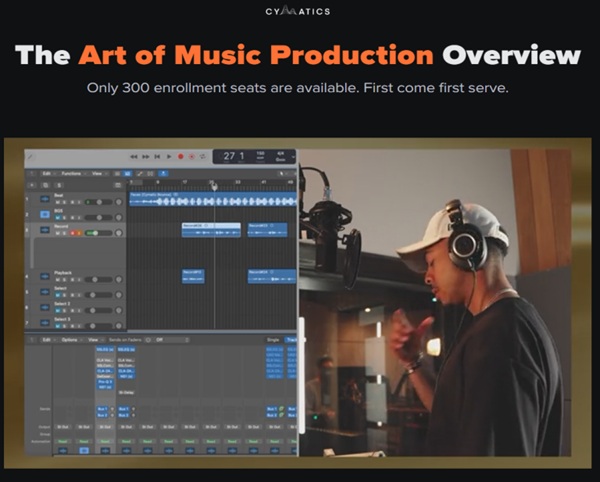
The Art of Music Production (AMP) program from Cymatics.fm stands as a pinnacle of educational innovation, offering a structured path to mastery through its ten core modules. This in-depth review examines how the program combines practical learning with exclusive resources, making it a game-changer for aspiring producers. Drawing from the provided briefing, we’ll explore its components, emphasizing how cymatics art integrates to enhance the experience.
Program structure and core modules: Sampling, Song Making, Vocals, Drums, Melodies, Sound Design, Mixing, Mastering, Plugins, Workflow
The AMP program’s structure is meticulously designed around ten modules that cover every aspect of production, from initial sampling to final workflow optimization. Each module builds upon the last, providing a logical progression that mirrors the real-world music creation process. For example, the Art of Sampling module teaches proprietary methods for transforming raw sounds, while Song Making guides users through the full lifecycle of a track.
This comprehensive setup is enriched by music cymatics, allowing learners to visualize their progress. A Cymatics the art of music production review lauds the program’s accessibility, noting how modules like Sound Design use cymatic principles to create original tones, ultimately fostering a deeper understanding of production dynamics.
Practical exercises and skill reinforcement within each module
Practical exercises form the backbone of skill reinforcement in AMP, with hands-on activities that solidify theoretical knowledge. In the Art of Vocals module, for instance, students practice recording and tuning techniques through real sessions, applying effects to achieve professional results. These exercises ensure that learning is interactive and applicable.
The inclusion of cymatics art in these exercises adds a layer of depth, as seen in the Drums module, where visualizing rhythms helps perfect groove and energy. According to **Cymatics the art of music production review**s, this approach accelerates skill acquisition, turning beginners into confident producers.
The role of mentorship and personalized feedback during the four-week program
Mentorship in AMP provides invaluable personalized feedback, with top producers offering guidance over four weeks to refine students’ work. This direct interaction helps address individual challenges, fostering growth in areas like melody composition or mastering. The program’s emphasis on community support enhances the learning experience.
Through music cymatics, mentorship sessions incorporate visual tools for feedback, as detailed in various **Cymatics the art of music production review**s. This method not only improves technical skills but also inspires creative breakthroughs, making AMP a transformative educational journey.
The Proprietary Tools and Content Offered by Cymatics
Cymatics’ proprietary tools and content elevate the AMP program, providing exclusive resources that add immense value. From plugins to sample libraries, these offerings integrate seamlessly with cymatics art, empowering producers to create with precision and innovation. This section highlights how these elements make the program a worthwhile investment.
Overview of the exclusive 14 plugins designed for various production tasks
The 14 proprietary plugins in AMP, such as DIABLO for drum enhancement and VORTEX for 808 effects, are tailored for specific tasks, streamlining production workflows. Each plugin, like OCEAN PLUCK for interactive plucks, offers intuitive controls that enhance creativity without overwhelming complexity. This bundle alone represents a significant asset for producers.
Incorporating music cymatics, these plugins allow for visual feedback on sound manipulation, as noted in **Cymatics the art of music production review**s. Users report that tools like SPACE Reverb help visualize reverb tails, leading to more polished mixes and innovative sound design.
The significance of the 50GB+ sample library and its unique offerings
The 50GB+ sample library is a treasure trove of melodies, MIDI, and drums, including rare, unreleased sounds that provide a competitive edge. Its significance lies in offering royalty-free content that sparks inspiration, as seen in the Art of Music Production‘s emphasis on sampling techniques. This library’s exclusivity makes it a key differentiator.
In the context of cymatics art, these samples can be visualized and manipulated, aiding in arrangement and design. A Cymatics the art of music production review praises this for enabling producers to create signature sounds that stand out in the industry.
Additional bonuses: USB sounds, private Discord community, and industry validation
Bonuses like the Collector’s Edition USB and private Discord community foster collaboration and provide exclusive access, enhancing the program’s value. Industry validation, through artists like Drake andKanye West, who have utilized Cymatics samples, further solidifies the program’s credibility. By leveraging these exclusive bonuses, students can connect with a network of like-minded producers, share insights, and gain guidance from industry veterans. This creates a supportive ecosystem that not only enriches the learning experience but also facilitates career growth in the music industry.
Through the lens of music cymatics, the community’s visual approach allows users to see their creative processes in new ways. As noted in various **Cymatics the art of music production review**s, this community engagement leads to collaborative projects that further the exploration of sound and visual expression in music, reinforcing the interconnected nature of audio and art.
The Integration of Cymatics’ Art in Modern Music Production
The integration of cymatics techniques into modern music production is reshaping how artists conceive sound design and visuals. As the lines between audio and visual art continue to blur, producers are increasingly adopting cymatic principles to elevate their work. This section will delve into how combining these two realms enriches the music experience and drives innovation.
How cymatics techniques influence sound design and visual representations in music
Cymatics techniques are groundbreaking in sound design, allowing producers to experience sound waves in tangible forms. By using materials like sand and water, artists can observe how sound frequencies affect patterns—a phenomenon that translates into innovative sound crafting techniques. For instance, producers can experiment with these principles to create unique sound textures and atmospheres that resonate with their audiences on multiple levels.
Moreover, the visual representation of sound through cymatics art not only enhances the audio experience but also contributes to brand identity. Musicians and producers who incorporate visual elements inspired by cymatic patterns into their marketing materials or live performances create a cohesive artistic vision. This harmonious relationship between sound and visuals makes productions more engaging, leaving a lasting impression on listeners.
The aesthetic and technical benefits of integrating cymatics-inspired visuals in productions
Integrating cymatics-inspired visuals within music productions elevates both the aesthetic and technical aspects of a project. The stunning visuals derived from sound frequencies can be incorporated into music videos, merchandise, or stage designs, aligning the auditory and visual elements of an artist’s brand. For artists, this strategy not only captures attention but also fosters deeper connections with their audience.
From a technical standpoint, producers can capitalize on the insights gained from visualizing sound patterns. Understanding how different frequencies interact enables them to make informed decisions about mixing and sound layering. This leads to polished, well-rounded tracks that reflect intentional artistry, enriching the overall listening experience.
Evaluating the Value Proposition and Accessibility of AMP
Cymatics’ Art of Music Production (AMP) program presents a significant investment for those seeking to elevate their production skills. Understanding its value proposition involves analyzing the cost against the promise of comprehensive learning and valuable industry resources. This section will explore the financial aspects and flexibility of the program, making it accessible to a broader spectrum of aspiring producers.
Cost analysis against the $18,750 estimated value of included components
With an estimated worth of $18,750, the AMP program offers unparalleled educational content and resources that far surpass its cost. The modules, mentorship, and proprietary tools are curated to provide an immersive learning experience that is difficult to find elsewhere. Understanding this value is crucial for prospective students who may hesitate due to financial considerations.
When broken down, the return on investment becomes evident: students gain a comprehensive understanding of music production techniques that can lead to professional opportunities in the music industry. This makes the program not just an educational endeavor but a strategic career move, as highlighted in multiple **Cymatics the art of music production review**s.
Price flexibility options and financing plans for prospective students
Aware of the financial barriers that aspiring producers may face, Cymatics offers flexible pricing plans and financing options for the AMP program. This accessibility is designed to encourage participants who might otherwise find the tuition overwhelming. Such initiatives reflect a commitment to fostering talent across diverse economic backgrounds, creating opportunities for anyone with a passion for music.
The ability to spread costs over time or opt for different payment plans ensures that financial constraints do not hinder creativity. As indicated by testimonials, many students have successfully navigated the investment thanks to these flexible options, allowing them to dive into the transformative world of music cymatics without undue financial strain.
Industry Validation and Success Stories
Cymatics has garnered recognition in music production circles, greatly influencing many high-profile artists who incorporate Cymatics samples and techniques into their works. This section will explore notable endorsements and success stories that solidify Cymatics’ impact on the industry, as well as testimonials from previous students reflecting their journeys.
High-profile artists who have employed Cymatics samples and techniques
Prominent artists like Drake, Kanye West, and others have leveraged Cymatics samples to elevate their sound, underscoring the program’s credibility and impact. The use of unique sounds, often inspired by cymatics art, enhances their productions, allowing them to stand out in a highly competitive industry landscape. The widespread adoption of these samples speaks volumes about their quality and effectiveness.
This association with high-caliber artists not only boosts Cymatics’ reputation but also sets expectations for individuals entering the program. Aspiring producers can see direct examples of how quality resources lead to successful outcomes, paving the way for their own potential achievements.
Testimonials and results from past students of the AMP program
Past students of the AMP program have shared transformative testimonials about their experiences, often highlighting how the curriculum shaped their understanding of music production. Many indicate that the incorporation of cymatics art into their learning helped them better grasp complex concepts, which facilitated breakthroughs in their creative processes.
The results speak for themselves; numerous alumni have gone on to achieve significant milestones in their careers, whether that includes landing gigs, producing tracks for established artists, or launching their music labels. As captured in various **Cymatics the art of music production review**s, these stories are powerful examples of the program’s effectiveness in fostering talent and facilitating professional growth.
Conclusion
Cymatics represents a significant intersection of science, art, and music, with the potential to elevate production techniques and inspire innovative artistic expression. The Art of Music Production (AMP) program from Cymatics.fm embodies this amalgamation, providing aspiring producers with the tools, mentorship, and community support required to thrive in the ever-evolving music landscape. As students harness the insights gained from cymatics in their work, they not only refine their sound design skills but also engage with the visual aesthetics that have become crucial in music branding. As we move forward, the influence of cymatics art in discussion and practice will continue to shape the next generation of artists and producers, ultimately transforming how we experience and perceive sound in conjunction with visual artistry.
Sales Page: _https://cymatics.fm/pages/art-of-music-production